
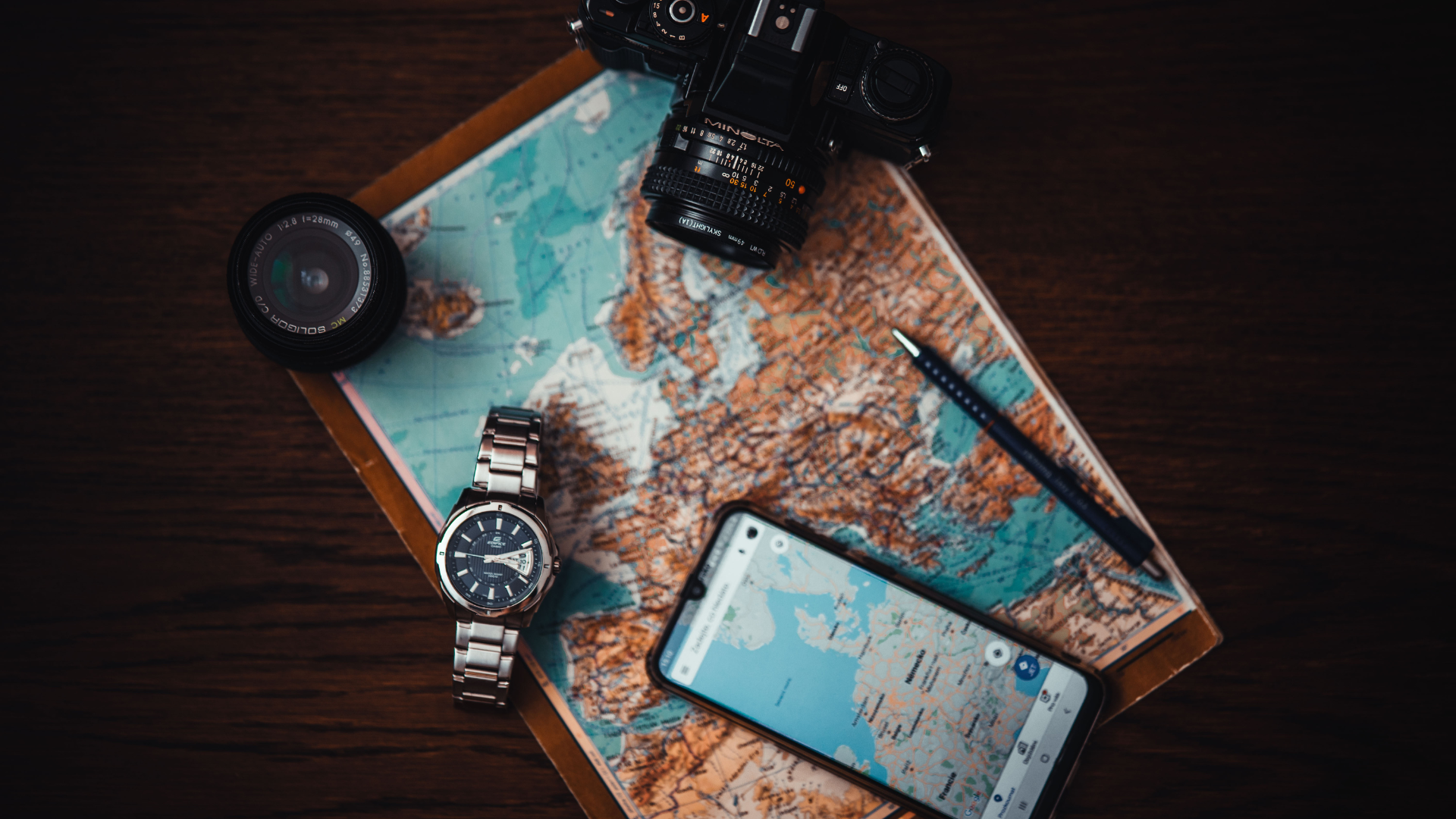
Creating a travel itinerary requires organising your trip by prioritising destinations, activities, and timing. The key to an effective itinerary is balancing must-see spots with realistic travel times and rest periods to avoid overwhelm.
Start by listing your main interests and available days, then map out logical routes to maximise efficiency. Consider factors like transportation, opening hours, and meal breaks to structure each day clearly.
A well-planned itinerary helps reduce stress and makes the most of your travel experience. Knowing how to create one allows you to tailor trips to your preferences while staying flexible where needed.
Understanding the Purpose of Your Trip
Clarifying the trip’s core intentions helps tailor every aspect of the itinerary. Knowing who you’re travelling with and what matters most guides decisions on destinations, activities, and pacing.
Defining Your Travel Goals
Start by pinpointing the primary reason for your travel. Are you seeking relaxation, adventure, cultural immersion, or business networking? Each goal influences destination choices and daily schedules.
Write down specific objectives, such as visiting museums, hiking, or attending conferences. This clarity prevents wasting time on activities that don’t align with your purpose.
Consider secondary goals, like trying local cuisine or expanding social connections. Including these enriches the experience without detracting from the main aims.
Identifying Travel Companions
Knowing who will join you affects planning practicalities and preferences. Family trips differ greatly from solo or group travels in pace and interests.
Discuss interests, budgets, and activity levels openly with companions before finalising plans. This avoids conflicts and ensures everyone’s needs are addressed.
Use a table to compare preferences:
| Companion | Interests | Budget | Activity Level |
| Partner | Arts, dining | Moderate | Low |
| Friend | Nightlife, hiking | Flexible | High |
| Child | Parks, animal shows | Low | Moderate |
This comparison helps prioritise activities and allocate time effectively.
Establishing Trip Priorities
Prioritise elements like sightseeing, downtime, or events based on your defined goals and companions’ preferences. List priorities in order to safeguard what matters most.
Allocate time blocks accordingly—active mornings, relaxed afternoons, or event-focused evenings. This approach balances energy and interest levels.
Stay flexible but firm on key experiences to avoid last-minute changes that undermine your trip’s purpose. Priorities act as a framework for decision-making throughout your travel.
Researching Destinations and Attractions
Effective research involves identifying locations that suit your interests, pinpointing key places to visit, and understanding the timing that maximises your experience. This stage sets the foundation for a smooth, enjoyable trip by focusing on relevant details.
Choosing Ideal Destinations
Start by defining the purpose of your trip—relaxation, adventure, culture, or nature. Look for destinations that align with those goals and match your budget and travel time. Use sources like travel blogs, tourism websites, and reviews to compare options.
Consider accessibility and safety. Check flight availability, local transportation, and political or health advisories. Narrow choices by listing pros and cons, or use criteria grids to prioritise destinations based on factors like cost, activities, or language.
Highlighting Major Attractions
Identify must-see sites and activities unique to the destination. These can include historical landmarks, museums, nature reserves, or popular local events. Official tourism websites and crowd-sourced platforms like TripAdvisor provide practical insights and up-to-date details.
Organise attractions by interest or location to optimise your route. Use a table or map to visualise proximity, operating hours, and entry fees. Factor in ticket requirements or booking needs to prevent scheduling conflicts.
Seasonal Considerations
Seasonal changes affect weather, crowd levels, and event availability. Research typical climate patterns for your travel dates to choose suitable clothing and activities. Some destinations have a high or low season, impacting prices and experience quality.
Check for festivals, holidays, or seasonal closures that could enhance or hinder your plans. For example, visiting a ski resort outside of winter might limit options, while a city’s cultural festival can add unique value. Adjust your itinerary to reflect these factors accordingly.
Establishing a Realistic Timeline
Creating a practical travel timeline involves calculating how long to stay at each location, planning daily activities with a clear structure, and ensuring enough time for rest. This approach helps avoid rushed days and maximises enjoyment.
Estimating Length of Stay
Start by researching key attractions and their average visit durations. For example, a major museum might require 2-3 hours, while a city tour could take a half or full day. Consider travel time between destinations and any necessary rest periods.
Factor in personal interests and travel style when deciding the length of stay. A relaxed traveller might spend more time in each place, while others prefer efficiency. Use a spreadsheet or list to track must-see spots and estimate how many days you need for each.
Drafting a Day-by-Day Schedule
Break your itinerary into clear daily segments. Assign one or two major activities per day to avoid overloading. Include start and end times to help visualise the flow.
Use bullet points or tables to organise activities:
| Time | Activity | Notes |
| 9:00 AM | Visit the historic district | Guided tour booked |
| 12:30 PM | Lunch at a local café | Try regional specialities |
| 2:00 PM | Museum visit | Entry ticket pre-purchased |
| 5:00 PM | Free time or coffee break | Flexible |
Leave buffer time for unexpected delays like traffic or extended visits.
Balancing Activities and Rest
Include rest breaks to maintain energy and focus. Avoid scheduling back-to-back activities without downtime. Even short pauses during the day can improve the overall experience.
Plan slower days, especially after long travel segments or multiple activity days. Consider time zones and jet lag when setting your schedule. Prioritise quality over quantity to prevent burnout.
Setting a Budget for Your Itinerary
Creating a budget requires detailed calculations of all expected costs, careful allocation for planned activities, and preparation for unplanned expenses. Accurate budgeting helps avoid overspending and keeps the trip financially manageable.
Calculating Total Travel Costs
Start by listing all major expenses: transportation, accommodation, meals, visas, and travel insurance. Use current prices from reliable sources to estimate costs. Factor in different transportation modes if your itinerary involves multiple locations.
Create a simple table for clarity:
| Expense Category | Estimated Cost |
| Flights | $500 |
| Hotels | $300 |
| Food | $150 |
| Local Transport | $50 |
| Insurance | $40 |
Add these amounts for a baseline total. Always check cancellation policies and seasonal price changes that may affect your estimates.
Allocating Funds for Activities
List all activities, such as tours, entrance fees, and experiences you plan to book. Research prices upfront and group them by day or location to avoid surprises.
Prioritise activities by importance to allocate funds effectively. If some have flexible booking options or discounts for early reservations, include those savings in your budget.
Use this breakdown format:
- Day 1: City tour ($30), museum entry ($15)
- Day 2: Hiking excursion ($50), local show ($20)
This approach ensures funds are available for must-do experiences without cutting corners.
Planning for Unexpected Expenses
Set aside 10-15% of your total budget for emergencies like medical issues, sudden changes, or lost items. These funds should be separate from daily spending money.
Keep this reserve accessible, for example, in a travel card or emergency fund app. Tracking expenses daily helps identify when to tap into this reserve.
Unexpected costs often occur during transport delays or last-minute itinerary changes, so maintain flexibility in your budget to handle these without stress.
Arranging Transportation and Accommodation
Efficient travel planning hinges on choosing the right transport and lodging options. Scheduling these in advance ensures smooth transitions and comfort throughout the trip.
Selecting Transport Options
Start by identifying the most practical modes of transport for each leg of your journey. Consider factors like distance, travel time, cost, and convenience.
For example:
- Flights are best for long distances and international travel.
- Trains offer scenic routes and are often reliable in regions with developed rail networks.
- Buses are usually the cheapest but may take longer.
- Car rentals provide flexibility when visiting multiple stops.
Check for transportation passes or discount cards that cover multiple rides or segments. Always verify luggage restrictions and cancellation policies before finalising bookings.
Booking Accommodation
Choose accommodations based on location, budget, and the type of travel experience desired. Proximity to key attractions or transport hubs should guide your selection.
Options include:
- Hotels: Offer amenities and consistent service.
- Hostels: Budget-friendly and social, but with fewer facilities.
- Vacation rentals: Provide home comforts and more space.
- Guesthouses: Often family-run and can offer local insights.
Use reputable booking sites that allow free cancellation. Filter results by guest reviews, price, and amenities such as Wi-Fi or breakfast included.
Mapping Routes Between Stops
Plotting accurate routes minimises wasted time and unexpected travel issues. Use mapping tools such as Google Maps or specialised travel apps.
Plan to:
- Check distances and likely travel durations.
- Identify alternative routes in case of delays.
- Confirm available transport services between stops.
- Include buffer times for transfers and check-in procedures.
Downloading offline maps can be helpful in areas with limited connectivity. Keep a printed copy of key directions as a backup.
Curating Memorable Experiences
Creating a travel itinerary that stands out involves selecting activities that connect deeply with the destination. This means focusing on authentic, less-commercialised options and activities that reveal the local culture.
Finding Unique Local Experiences
To find unique local experiences, look beyond popular tourist attractions. Research neighbourhoods where locals spend their time, such as markets, small cafes, or artisan workshops. Use local blogs, community forums, and social media groups particular to the destination for recommendations.
Consider booking experiences through local hosts via platforms like Airbnb Experiences or Meetup. These options often include hands-on activities, like cooking classes or guided nature walks, which provide a personal connection to the place.
Additionally, ask locals directly when possible. Simple conversations can lead to discovering hidden gems, such as secret viewpoints or understaffed museums that offer a quieter, more intimate visit.
Incorporating Cultural Activities
Cultural activities enrich an itinerary by offering insight into traditions, history, and daily life. Choose activities like attending a traditional dance performance, participating in a festival, or visiting cultural centres and museums with in-depth exhibits.
Prioritise activities that allow active engagement, such as pottery workshops or language lessons. These provide immersive learning opportunities beyond passive observation.
Include local cuisine experiences, like meals at family-run restaurants, food tours, or market visits where travellers can sample regional specialities. This approach helps to understand the culture through taste and social interaction.
Balance popular cultural sites with smaller, community-based venues to avoid crowded tourist spots and create a more authentic experience. Organising and Presenting Your Itinerary
Effective travel itineraries are clear, easy to follow, and well-structured. The format you choose and the tools you use can greatly improve accessibility and usability for you or anyone sharing the plan.
Choosing Itinerary Formats
Select a format that matches the trip’s complexity and the traveller’s preferences. Simple trips can use a chronological list with times and activities, while complex trips benefit from a multi-day table or segmented itinerary.
A common format is a table with columns for date, time, activity, location, and notes. This layout highlights essential details and keeps everything organised.
Printed PDFs remain useful for those who prefer offline access. Alternatively, documents like Word or Google Docs offer flexibility for editing and sharing. Always include contact details and reservation numbers within the format.
Using Digital Tools and Apps
Digital tools streamline itinerary creation and management. Apps like Google Trips, TripIt, and Sygic Travel allow importing reservations automatically and syncing details across devices.
These apps often support real-time updates and notifications for changes in flights or accommodations. Built-in maps and weather forecasts offer context without extra research.
For collaborative travel, shared calendars or Google Docs facilitate input from multiple travellers. Choose tools that align with your comfort level and offer export options like PDFs for offline use.
Reviewing and Adjusting the Plan
Examining the travel itinerary involves assessing input from others alongside the flexibility incorporated into the schedule. Both play a critical role in refining and optimising the final plan.
Gathering Feedback from Others
Soliciting input from travel companions or experienced travellers helps identify gaps and improve logistics. It is important to collect feedback on timing, activities, and accommodations to ensure the plan suits everyone’s preferences and needs.
Use specific questions such as:
- Are the travel times comfortable?
- Is there enough downtime between activities?
- Are key attractions adequately prioritised?
Documenting this feedback in a clear list or table can facilitate easier revision. For example:
| Feedback Area | Comments | Action Needed |
| Travel Duration | Too rushed between cities | Add buffer time |
| Hotel Location | Far from the main attractions | Consider a different hotel |
| Meal Options | Limited options for dietary needs | Include more options |
This methodical approach helps prevent overlooking essential adjustments.
Making Flexible Changes
Plans should allow for adaptations based on new information or preferences. Building flexibility means adjusting time blocks, activity order, or transportation modes without disrupting the overall flow.
Include contingency time for delays or spontaneous detours. For instance, reserving 30 minutes extra between activities helps accommodate unexpected changes.
When modifying, prioritise changes that improve comfort or accessibility without adding excessive complexity. Use tools like digital calendars or itinerary apps to update and share changes instantly. This maintains clarity among all travellers and ensures everyone stays informed of the latest plan.
Final Preparations and Travel Tips
Before travelling, ensure you meet all entry requirements, pack methodically, and prioritise health and safety. These steps reduce stress and help avoid last-minute complications.
Checking Travel Requirements
Verify visa and passport validity well in advance. Many countries require passports to be valid for at least six months beyond the travel dates.
Check if specific vaccinations or health certificates are needed. Some destinations require proof of immunisations, such as yellow fever or COVID-19 vaccination.
Review any quarantine rules or travel restrictions. These can change frequently, so consult official government websites or airlines within a week of departure.
Print or save copies of all important documents, including booking confirmations, itineraries, and emergency contacts. Keeping digital and physical copies is best.
Packing Essentials
Start with a packing list organised by type: clothing, toiletries, electronics, and documents. Tailor this list based on climate and planned activities.
Use packing cubes or compression bags to maximise suitcase space. Keep essential items like medications and chargers in your carry-on.
Include a basic first-aid kit with band-aids, painkillers, and any prescription medicines. Don’t forget travel adapters and portable chargers.
Prepare for unexpected weather by packing a compact rain jacket or umbrella. Wear comfortable shoes suited for walking and specific activities.
Health and Safety Considerations
Research local health risks, including water safety and common illnesses. Drink bottled or purified water if unsure about tap water quality.
Carry hand sanitiser and wash hands regularly, especially before eating. Avoid raw or street food unless you trust the source.
Keep emergency contact numbers handy, including local medical centres and your country’s embassy. Consider travel insurance that covers health emergencies.
Inform someone reliable of your itinerary and check in periodically. Stay aware of your surroundings and avoid risky areas recommended by locals or travel advisories.